The Q'ero Shamans of Peru
Ancient Andean Wisdom, Living Lineage & Sacred Tradition
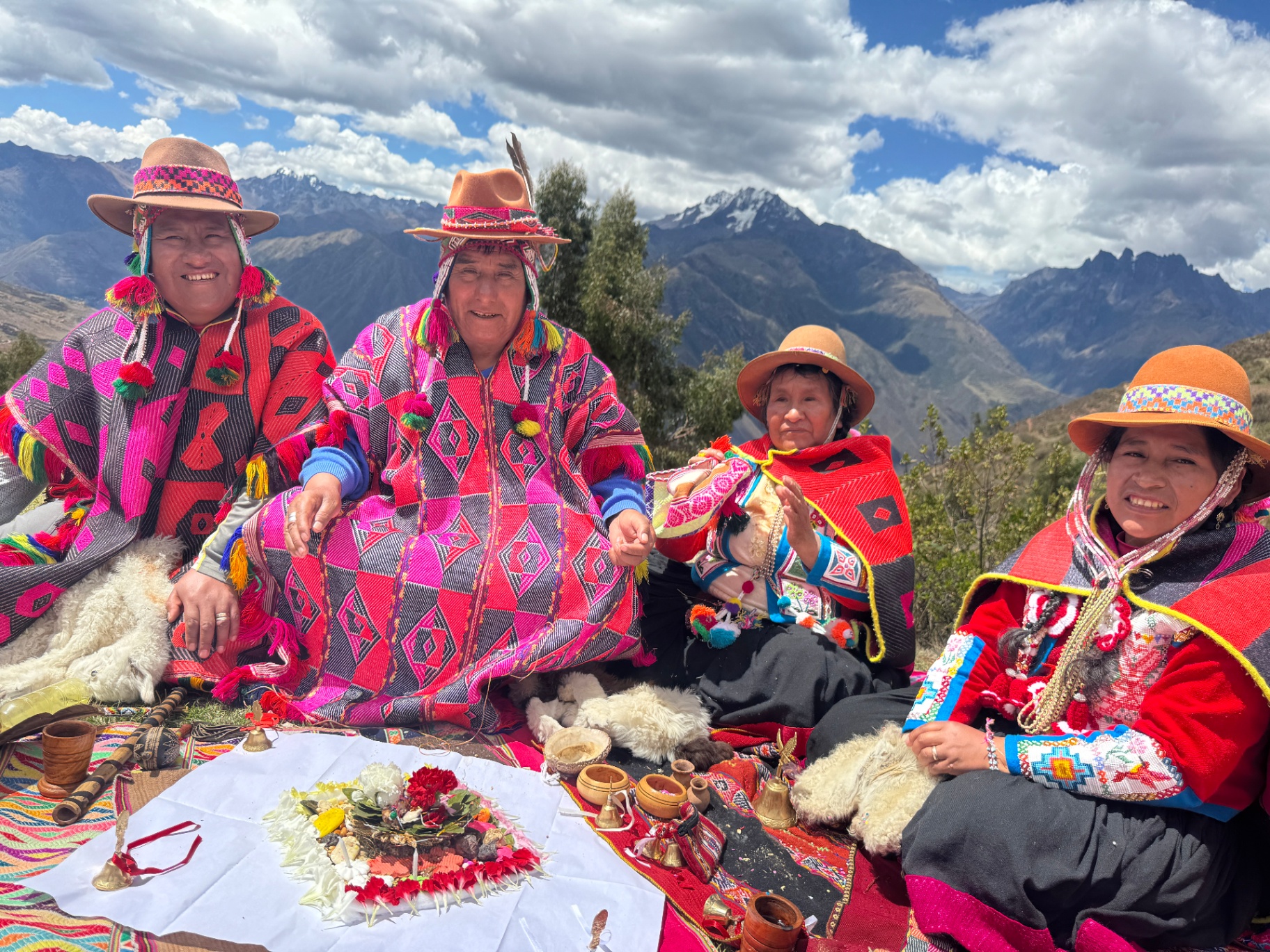
High in the Andes Mountains of Peru, above 14,000 feet, live the Q'ero people - an indigenous community often referred to as the last direct descendants of the Inca.
Keepers of an Ancient Spiritual Tradition
For centuries, the Q'ero have preserved a living spiritual tradition of Andean shamanism.
Their wisdom is not something that was written down or taught in institutions - it has been passed from generation to generation through direct experience, ceremony, and relationship with the natural world.
Keepers of an Ancient Spiritual Tradition
For centuries, the Q'ero have preserved a living spiritual tradition of Andean shamanism, maintaining their practices, ceremonies, and worldview in relative isolation from the modern world.
Their wisdom is not something that was written down or taught in institutions - it has been passed from generation to generation through direct experience, ceremony, and relationship with the natural world.
Today, Q'ero shamans are recognized as medicine men and women, carrying forward teachings that are thousands of years old, rooted in balance, reciprocity, and connection to all life.
The Origin of the Q'ero Shamans
The Q'ero lineage traces back to the time of the Incan civilization, when spiritual leaders, known as paqos, served as intermediaries between the physical and spiritual worlds.
When the Spanish arrived in the 1500s, many Incan traditions were disrupted or lost. However, it is believed that the Q'ero retreated deep into the Andes Mountains, where they continued to preserve their ceremonial practices and spiritual knowledge in secrecy.
Because of this, the Q'ero are considered to carry one of the most intact and authentic shamanic lineages in the world today.
Their teachings are not based on belief systems, but on a direct relationship with energy, nature, and the unseen forces that guide life.
The Law of Sacred Reciprocity
Ayni is the understanding that life is built on balance and mutual exchange. It is expressed through:
- giving and receiving
- honoring nature
- living in right relationship with others
- and maintaining energetic balance
What is Andean Shamanism?
A nature-based spiritual tradition centered on the understanding that everything in existence is alive, interconnected, and in constant relationship.
Rather than separating the physical and spiritual worlds, the Andean tradition sees life as a woven field of energy and consciousness, where balance is essential.
A Q'ero shaman, or paqo, is someone who has been trained, initiated, and recognized within the lineage to work with energy, ceremony, and spiritual guidance.
Their role is not to perform or predict, but to:
- restore balance within individuals and communities
- work with the energetic field
- call in protection and guidance
- and maintain harmony between the visible and invisible worlds
They are considered caretakers of energy and stewards of sacred knowledge.
Sacred Ceremonies & Rituals
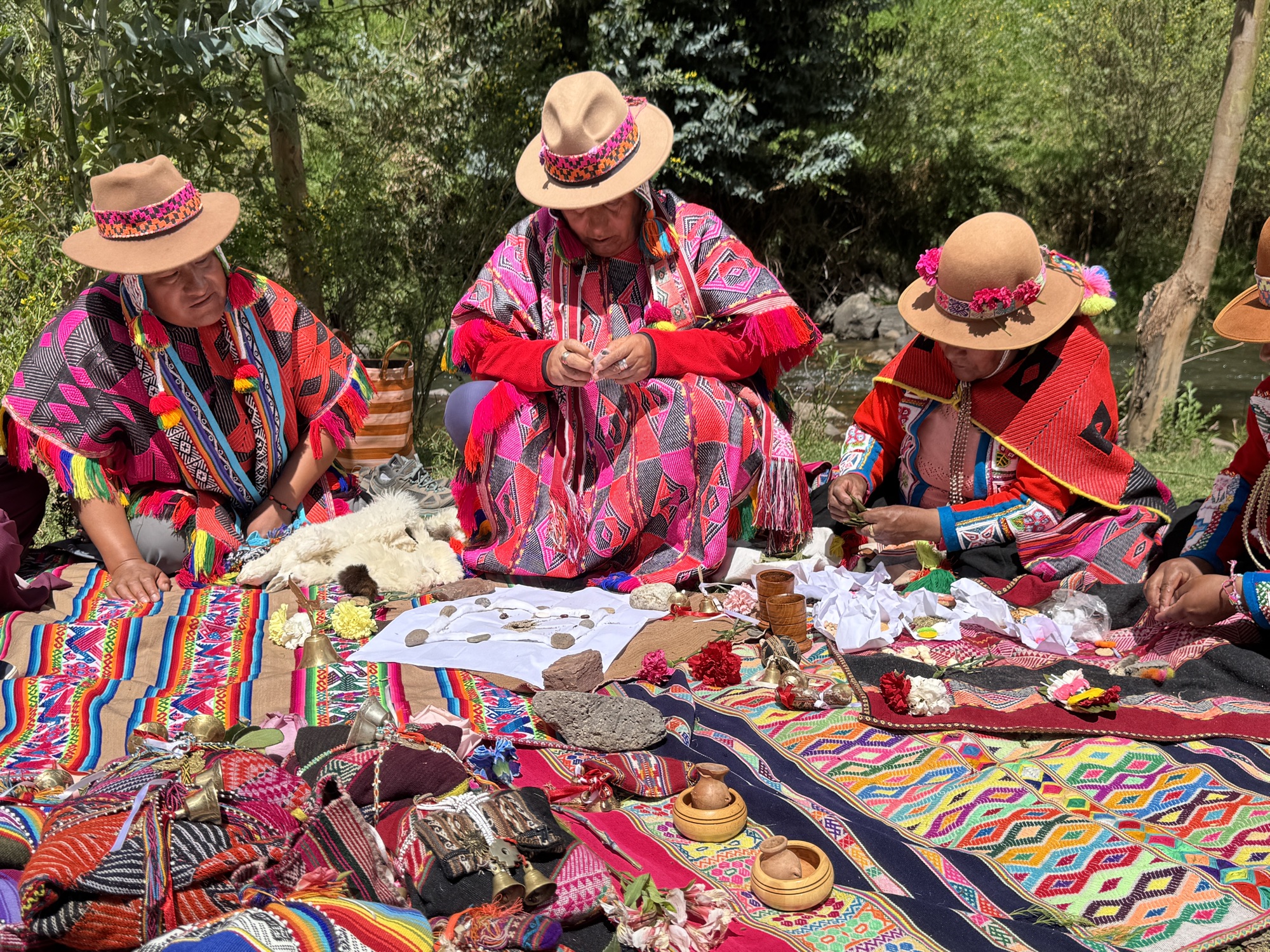
Ceremony is central to the Q'ero tradition. These ceremonies are not symbolic - they are active, energetic processes that support healing, balance, and connection.
Despacho Ceremony
A sacred offering made to Pachamama (Mother Earth), created with natural elements such as flowers, seeds, and symbolic items.
This ceremony is used to:
- restore balance
- express gratitude
- release what is no longer needed
- and call in support and alignment

Energy Clearing & Restoration
Q'ero shamans work with the energetic field (often referred to as the luminous body) to:
- clear heavy or stagnant energy
- restore flow and balance
- and support overall well-being
This work is subtle, quiet, and deeply intentional.

Fire Ceremony - Transformation & Renewal
Fire is one of the most sacred elements in the Andean tradition, representing transformation, release, and alchemy.
Through fire ceremonies, shamans work with this element to:
- release what is no longer needed
- transform heavy or stagnant energy
- and create space for clarity and renewal
Fire is not seen as destructive, but as a force of transformation - turning what no longer serves into energy that can be released and integrated.

Mountain Spirit Medicine
Mesa, Kuyas & the Living Wisdom of the Apus
Within the Q'ero tradition, healing is not something that happens in isolation - it happens through relationship with the natural world, the elements, and the unseen forces that guide life.
A Tradition Rooted in Relationship
Central to this understanding is the belief that the mountains themselves are alive.
Known as Apus, these mountain spirits are honored as protectors, guides, and sources of wisdom, each carrying a unique energetic presence. For the Q'ero, the mountains are not scenery - they are living beings in active relationship with the people.
Through prayer, offerings, and ceremony, shamans cultivate a connection with the Apus, inviting their guidance and support in healing work.
The Mesa - A Living Field of Medicine
At the heart of Andean shamanic practice is the Mesa, a sacred medicine bundle that is built over time through initiation, ceremony, and direct relationship with the lineage.
The Mesa is not symbolic - it is a living energetic field, holding the accumulated wisdom, experiences, and spiritual relationships of the shaman.
Each Mesa is unique, reflecting the journey of the practitioner and containing sacred elements that have been:
- received through ceremony
- gifted by teachers
- or discovered through intuitive guidance
Over time, the Mesa becomes a powerful container of connection, knowledge, and energetic presence.

Kuyas - Sacred Medicine Stones
Within the Mesa are kuyas, or sacred medicine stones, each carrying a distinct energetic frequency and spiritual significance.
These stones are not viewed as objects, but as:
- allies
- teachers
- and carriers of specific energetic qualities
A kuya may be connected to:
- an Apu (mountain spirit)
- one of the elements - earth, water, fire, or air
- a rite or initiation
- or a stage of spiritual development
During sessions and ceremonies, the shaman works with these stones to:
- support energetic clearing
- restore balance
- and bring harmony back into the system

A Living Tradition
The Q'ero lineage has not been lost or rediscovered - it has remained alive, continuous, and intact.
A Living Tradition in the Modern World
Unlike many ancient traditions, the Q'ero lineage has not been lost or rediscovered - it has remained alive, continuous, and intact.
Today, Q'ero shamans share their teachings beyond the Andes, offering others the opportunity to experience this tradition while maintaining their deep connection to their homeland and spiritual practices.
This allows the wisdom to remain relevant, grounded, and accessible, while still rooted in its original source.
A Return to Balance
The teachings of the Q'ero are not about escaping life, but about learning how to live in:
- balance
- connection
- and awareness
In a world that often feels disconnected, this tradition offers a powerful reminder:
You are part of something larger. And through relationship, that connection can be restored.
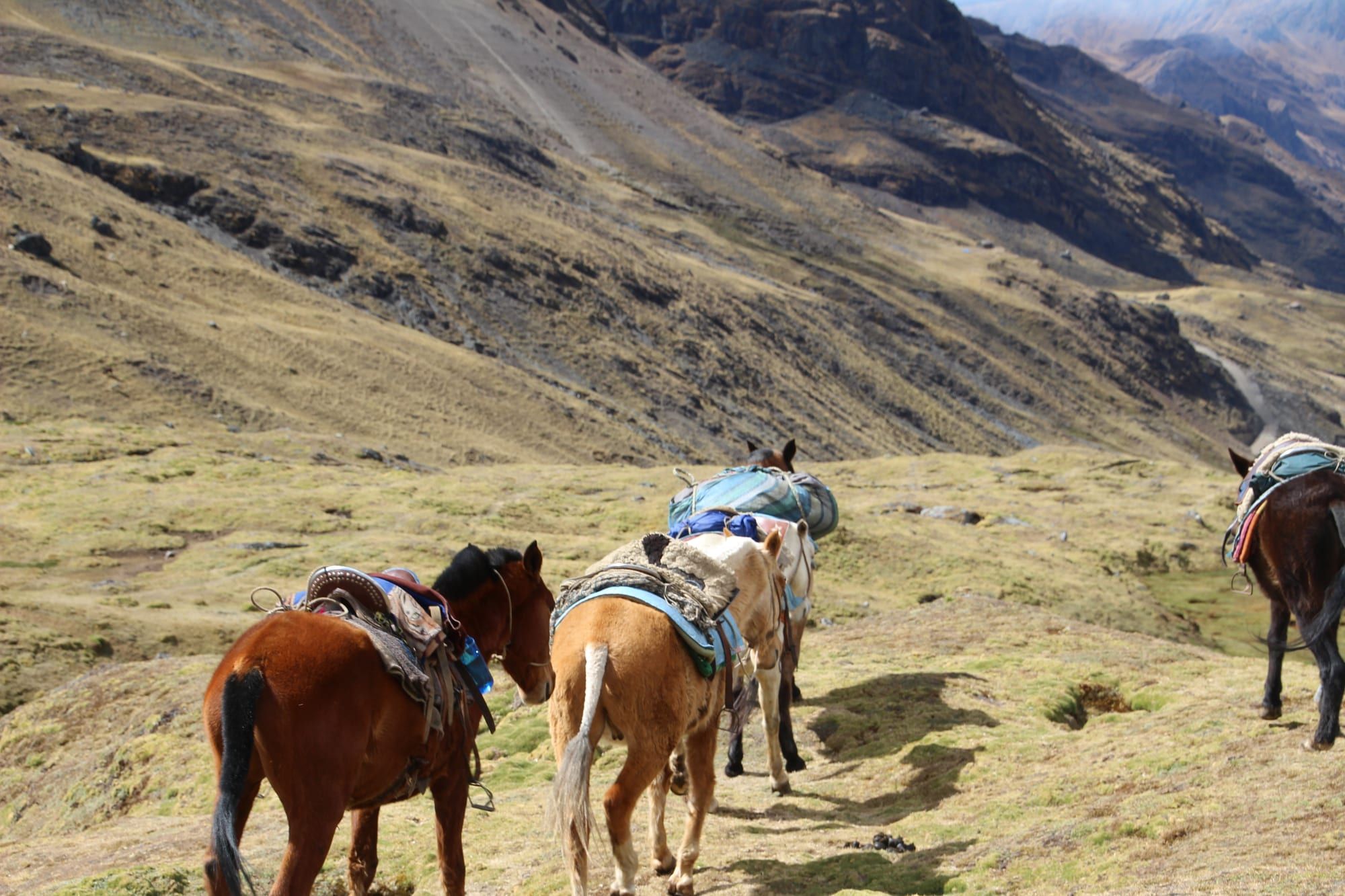
Travel Into the Lineage
Journey to Peru - small, intimate group, 9-day immersive experience.
- Daily ceremony with the Q'ero shamans
- Sacred sites including Machu Picchu and Ausangate
- Direct relationship with the living lineage